3-Ingredient Pesto Chicken Pasta: the Ultimate 10-Minute Meal for Busy Families
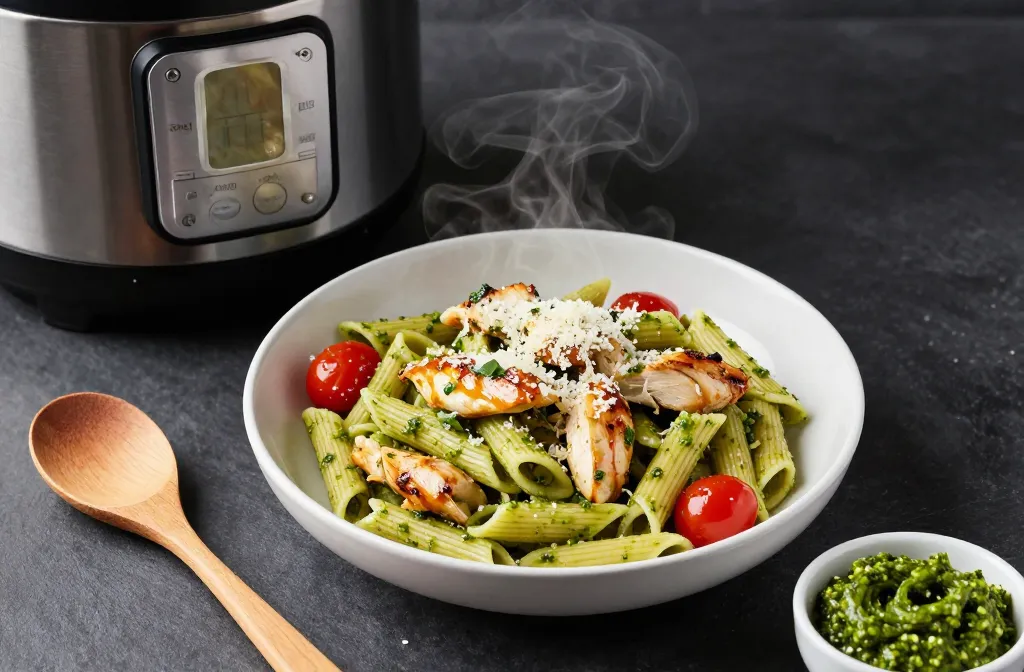
You’ve got hungry people circling the kitchen like tiny sharks, and zero time to play chef. Enter: 3-Ingredient Pesto Chicken Pasta in the pressure cooker. Ten minutes, one pot, and no culinary degree required. You press a button, you stir, you high-five yourself. Dinner? Handled.
Why This Works (And Why You’ll Actually Make It)
You know those “quick” recipes that require 17 pantry items and a second mortgage? Not this one. We’re talking three ingredients, a pressure cooker, and a tiny window of your evening.
You toss in dry pasta, chicken, and jarred pesto. That’s it. The pressure cooker handles the rest while you do… literally anything else. Fold laundry? Scroll? Stare blankly into space? Your call.
The 3 Ingredients (No, Really)
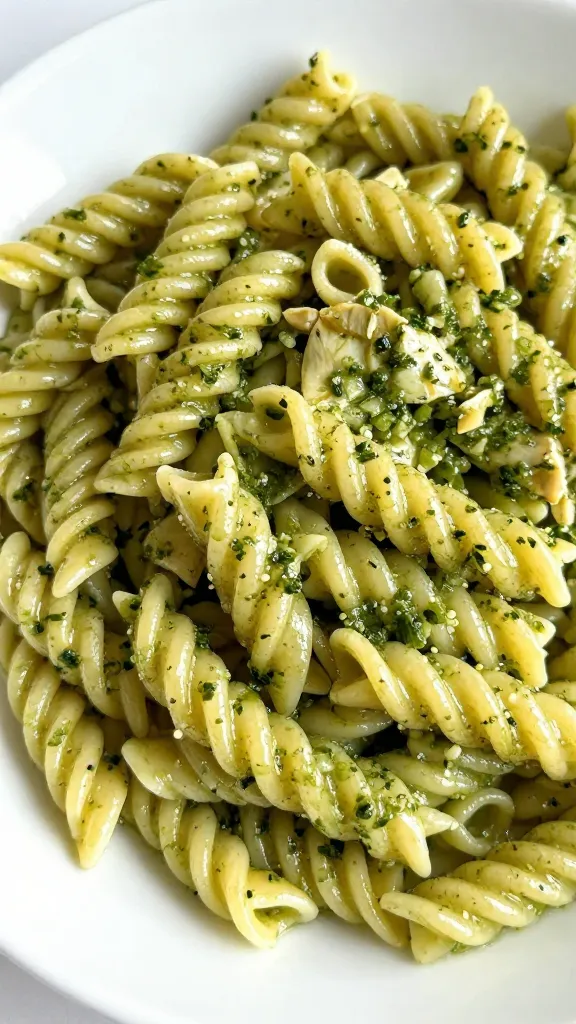
We’re not playing semantic games here. It’s genuinely three main ingredients:
- Dry pasta – Short shapes work best (penne, rotini, shells). They cook evenly and hold sauce like champs.
- Chicken – Boneless skinless thighs or breasts, cut into bite-size pieces. Thighs = juicier, more forgiving. IMO, thighs win.
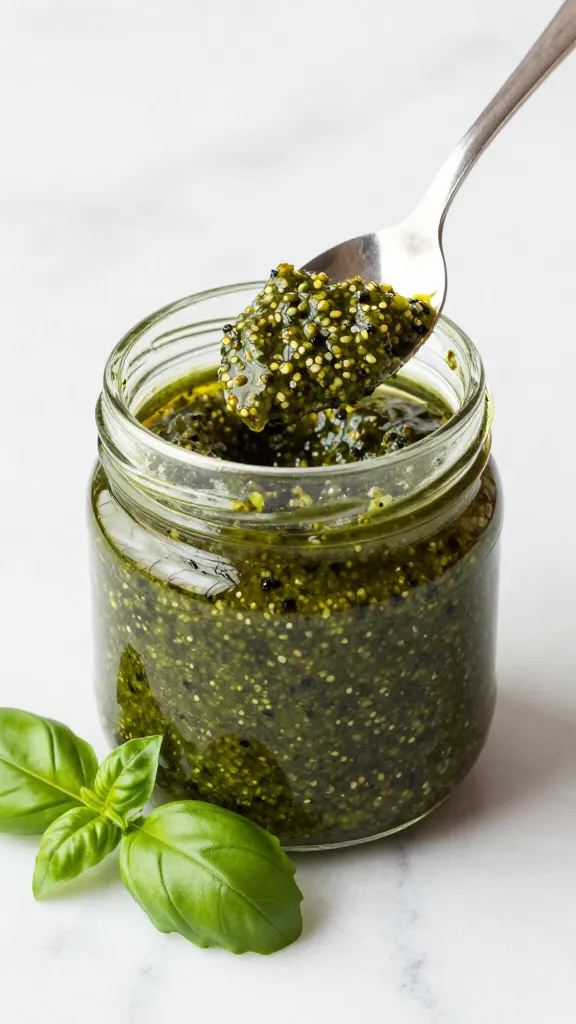
- Pesto – A good jarred basil pesto. Refrigerated pesto often tastes fresher, FYI.
Optional-but-great add-ins (still keeping it simple):
- Water or chicken broth (you do need liquid to pressure cook)
- Parmesan or pecorino for serving
- Cherry tomatoes, spinach, or a squeeze of lemon to brighten
Fast Method: Pressure Cooker, 10 Minutes, Boom
Let’s get to the good stuff. You’re not here for my life story.
- Measure the pasta and liquid: Add 12 ounces (about 3/4 of a standard box) of short pasta to the pot. Pour in 3 cups of water or broth. Stir in 1 teaspoon salt if using water.
- Add the chicken: Scatter 1 to 1.25 pounds of bite-size chicken pieces on top. Don’t stir.
- Pressure cook: Seal the lid. Cook on High Pressure for half the pasta’s box time, minus one minute. Example: if the box says 10 minutes, set it for 4 minutes. Wild, but it works.
- Quick release: Vent immediately when the timer beeps. Stir well. You’ll see some liquid—perfect.
- Finish with pesto: Stir in 1/2 to 2/3 cup pesto until glossy and green. Add a splash of hot water or a knob of butter if it looks tight.
- Taste and fix it: Salt? Pepper? Lemon? Parmesan snowfall? Do what your taste buds demand.
Consistency Check
Pasta drinks sauce like a camel after a hike. If it feels dry, add 2-4 tablespoons hot water or broth. If it feels loose, let it sit 2 minutes—the starch will thicken everything up like magic.
What Makes Pressure-Cooker Pasta So Good?
Flavor concentrates. The pasta cooks in its own starches, which builds a silky, clingy sauce. No draining, no colander, no tragic sink steam facial. Plus, pressure cooking keeps chicken tender instead of turning it into sawdust cubes. Nobody wants that.
The Cook-Time Formula (So You Don’t Overthink It)
– Take the pasta’s package time
– Divide by 2
– Subtract 1 minute
That’s your High Pressure time. Then quick release.
Example rundown:
– 10-minute penne → 4 minutes HP
– 8-minute rotini → 3 minutes HP
– 12-minute rigatoni → 5 minutes HP
Make It Your Own Without Making It Complicated
You want flavor upgrades that don’t require a grocery expedition. Done.
- Spinach: Stir in 2 big handfuls after cooking. It wilts in 30 seconds. Greens = virtue points.
- Cherry tomatoes: Halve and toss in with the pesto for juicy pops.
- Lemon zest/juice: Brightens everything. Add at the end to taste.
- Parmesan: Obviously. A shower on top makes it feel restaurant-y.
- Red pepper flakes: For a little kick. Pesto loves heat.
- Sun-dried tomatoes or olives: Salty, tangy, and dead simple.
Protein Swaps
– Rotisserie chicken: Stir in at the end with pesto. Skip pressure cooking the meat.
– Sausage: Brown first on Sauté, then add pasta and liquid.
– Chickpeas: Drain a can and stir in after pressure cooking for a meatless win.
The Only Places You Can Mess This Up (And How to Avoid It)
Look, it’s forgiving. But here’s how to dodge the common oops moments.
- Burn notice: Don’t stir pesto in before pressure cooking. It’s thick and can trigger scorching. Add pesto at the end only.
- Too much or too little liquid: For 12 ounces pasta, use 3 cups liquid. For a full pound (16 oz), use 4 cups and add 1 extra minute of cook time.
- Rubbery chicken: Cut it into 1-inch pieces. Thighs handle pressure better than breasts, IMO.
- Blandness: Pesto varies wildly. Taste and adjust with salt, lemon, or cheese. Salt makes the basil pop.
Timing Breakdown (So You Actually Believe the “10 Minutes” Claim)
– 2 minutes: Toss pasta, liquid, chicken in the pot
– 5-7 minutes: Pot comes to pressure (varies by model)
– 3-5 minutes: Cook time (depends on pasta)
– 1 minute: Quick release + stir in pesto
Yes, that math looks longer than 10 minutes. But active time? Like four minutes. The rest is hands-off, which is the real win here.
Serving Ideas That Make It Look Fancy With Zero Effort
– Big salad, store-bought dressing, call it a day
– Garlic bread or buttered baguette for carb-on-carb happiness
– A bowl of olives or marinated artichokes if you’re feeling “tapas”
– A sprinkle of toasted pine nuts if you want applause
FAQ
Can I use whole wheat or gluten-free pasta?
Yes. Whole wheat usually needs the same method, but check firmness and add 1-2 minutes on Sauté if underdone. Gluten-free pasta can be delicate—reduce pressure time by 1 minute and let it sit covered for 2 minutes after quick release. Stir gently so it doesn’t break.
What if my sauce looks too thin after cooking?
Stir in the pesto and let it sit for 2-3 minutes. The starch thickens it fast. Still loose? Add a small handful of Parmesan or a pat of butter. Still too much liquid? Hit Sauté for 1-2 minutes while stirring.
Can I double the recipe?
Totally, as long as you don’t go past your cooker’s max fill line. Keep the 1 cup liquid per 4 ounces pasta ratio, and the same cook time. It may take a bit longer to come to pressure, but the results stay consistent.
Do I need to brown the chicken first?
Nope. Not for this. The pesto brings plenty of flavor, and browning adds time you don’t have. If you want the extra depth, brown on Sauté, but scrape up the fond and add an extra 1/4 cup liquid to avoid the burn notice.
Is jarred pesto really okay?
Absolutely. Use a brand you like. Refrigerated pesto often tastes brighter. If your jarred pesto tastes flat, fix it with lemon juice, extra Parmesan, or a glug of good olive oil. Tiny tweaks = big payoff.
How do I reheat leftovers without drying them out?
Add a splash of water or broth and microwave in short bursts, stirring in between. A teaspoon of olive oil or a spoon of pesto perks it right up. Pasta loves to hog moisture, so give it a little to drink.
Conclusion
This 3-ingredient pesto chicken pasta doesn’t just save dinner—it saves your evening. You toss, you press a button, and you end up with a pot of creamy, basil-y comfort that tastes way fancier than the effort required. Keep a box of pasta, a jar of pesto, and some chicken stashed, and you’ve basically got a dinnertime cheat code. FYI, once you make it once, it’ll sneak into your weekly rotation and refuse to leave—in the best way possible.