How to Clean a Pressure Cooker in 3 Simple Steps
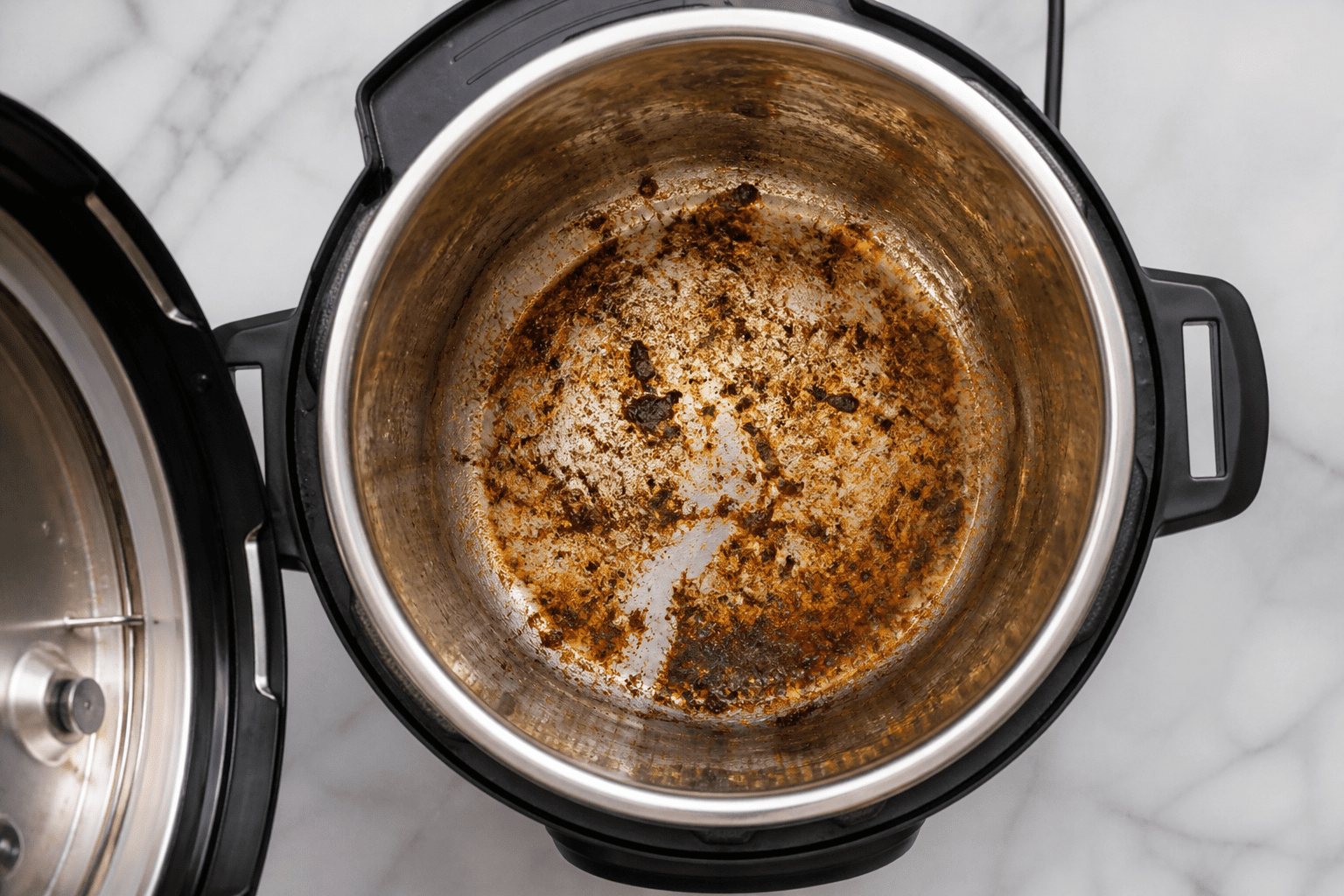
You love your pressure cooker because it turns chaos into dinner in record time. But after a few stews and a heroic pot roast, it starts to look…a little bit haunted. I didn’t realize how much buildup my Instant Pot had until it seemed like it might be too late. The first time I opened my Instant Pot lid and smelled that sour, trapped steam… I knew I had a problem. Grease film, funky smells, mystery gunk in the lid? It happens to the best of us. It might seem like there is no fix and you might as well trash it and buy a new one. But there is a way! Here’s how to clean your pressure cooker in 3 dead-simple steps, without turning your kitchen into a science lab.
And, if you do want to buy a new one, no shame in that. Check out our post on 7 of the best pressure cookers you can buy here.
What You’ll Need (Nothing Fancy)
- Dish soap and hot water
- White vinegar
- Baking soda
- A non-scratch sponge or brush
- A soft cloth or paper towels
- A toothpick or small brush for the nooks
FYI: Skip steel wool or anything labeled “aggressive.” You want to clean the cooker, not sand it.
Step 1: Clean the Pot and Gasket Like a Pro
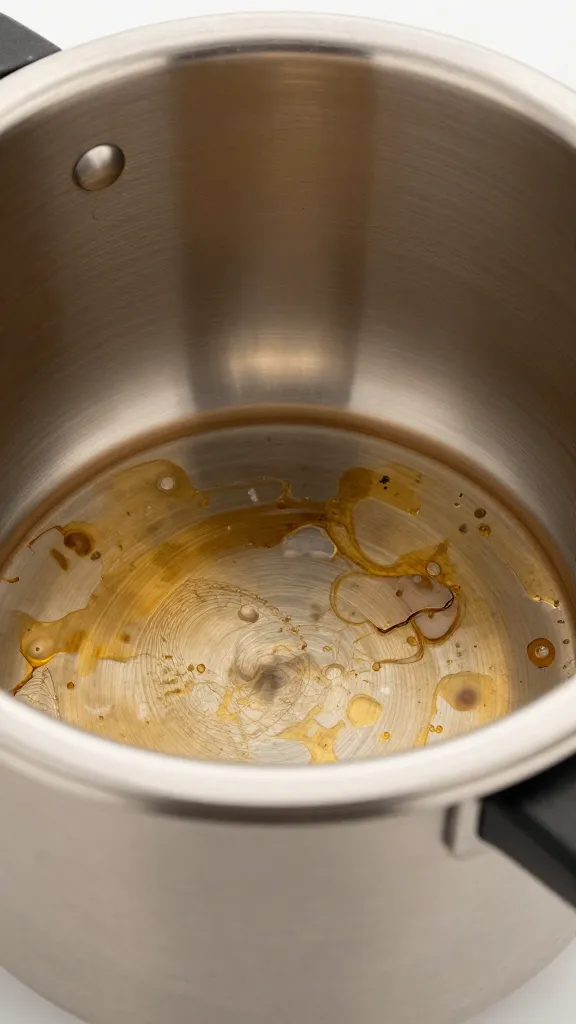
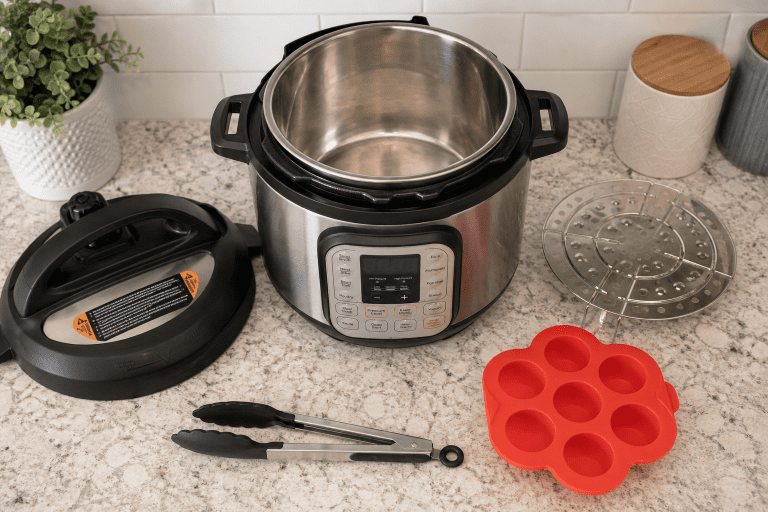
Start with the obvious: the inner pot. If it’s stainless steel, you can tackle both greasy film and stuck-on bits without babying it. If it’s nonstick, treat it like it has feelings.
- Wash the inner pot with hot, soapy water. Use a non-scratch sponge. For burnt-on crud, soak it for 15–20 minutes, then scrape with a silicone spatula.
- De-stink with a vinegar rinse. Swirl 1 cup of vinegar around the pot, let it sit for 2–3 minutes, then rinse well. It neutralizes odors like last night’s curry. IMO, magic.
- Remove the silicone gasket from the lid and wash it with soap and water. That ring hoards smells like a dragon guards treasure.
- Dry everything completely. Water trapped under the gasket or lid can breed funk. Pat dry with a towel and let air-dry for a few minutes.
Got Rainbow Stains on Stainless?
Use a paste of baking soda and a splash of water. Rub gently with a soft sponge, rinse, and you’ll see that rainbow vanish. It’s heat discoloration, not a sign your pot joined a rock band.
Step 2: Show the Lid Some TLC (That’s Where the Weird Stuff Hides)
The lid makes the magic happen, so clean it well. It has a few parts you should get familiar with—don’t worry, no screwdriver required.
- Pop off the anti-block shield (that little metal cap under the lid). Most just lift off. Wash it and the surrounding area thoroughly.
- Inspect and clean the steam release valve and float valve. Remove any removable caps and rinse. Use a toothpick or small brush to clear tiny food bits.
- Wash the entire lid in warm, soapy water. Keep the valves intact unless your manual says otherwise.
- Dry every nook, especially around the valves and gasket groove.
Quick Valve Check (Worth 30 Seconds)
- Lift the float valve gently. It should move freely.
- Make sure the steam release toggles smoothly.
- If anything sticks, clean again. Stuck valve = pressure drama. Hard pass.
Don’t Skip Deodorizing
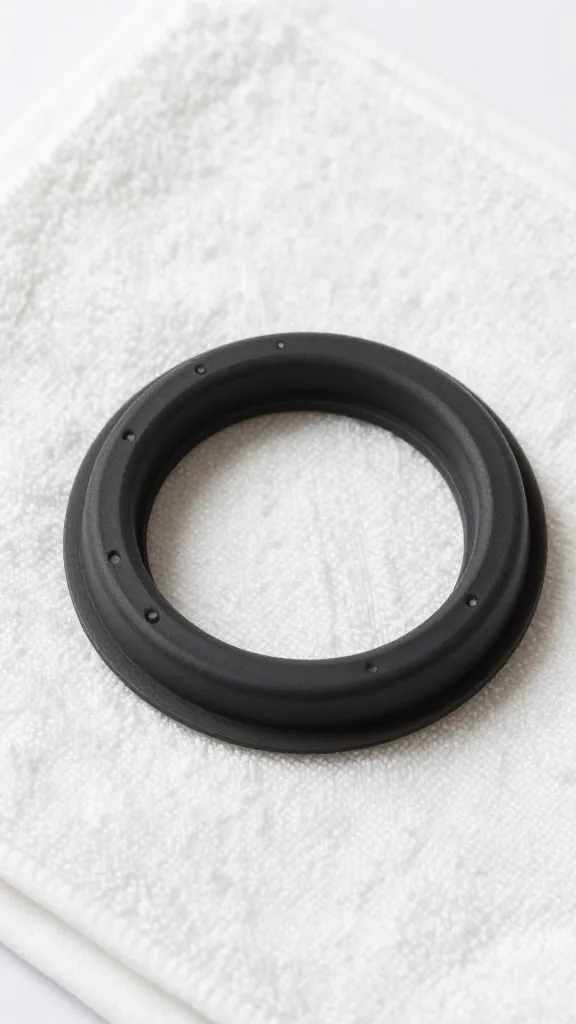
For a deep refresh, run a short “steam bath.” It knocks out odors and loosens residue in the valves.
- Return the clean inner pot to the cooker. Add 2 cups water and 1 cup white vinegar.
- Seal the lid and run a steam or pressure cycle for 2–3 minutes.
- Quick release the pressure carefully, then open the lid and dump the liquid.
- Wipe the pot and lid with a soft cloth. You’ll get that just-out-of-the-box vibe.
Optional: Citrus Spa Day
Toss in a few lemon slices instead of vinegar if you want a fresher scent. Not mandatory, but your kitchen will smell like it pays rent.
Tackling Burnt-On Disasters (No Judgment)
Burned the bottom? Happens to the best of us. Don’t scrape like you’re mining for coins—be patient.
- Deglaze: Add 1 cup water and 1 tablespoon baking soda to the pot. Bring to a simmer (on the stove if removable), let it bubble for 5–10 minutes, then cool and scrub.
- Soak overnight: For epic burns, soak with hot water and a squirt of dish soap. Next morning, try again with a non-scratch sponge.
- Bar Keeper’s Friend: Works on stainless for stubborn stains. Avoid on nonstick, unless you enjoy buying new pots.
Care for the Silicone Gasket (Your Seal of Approval)
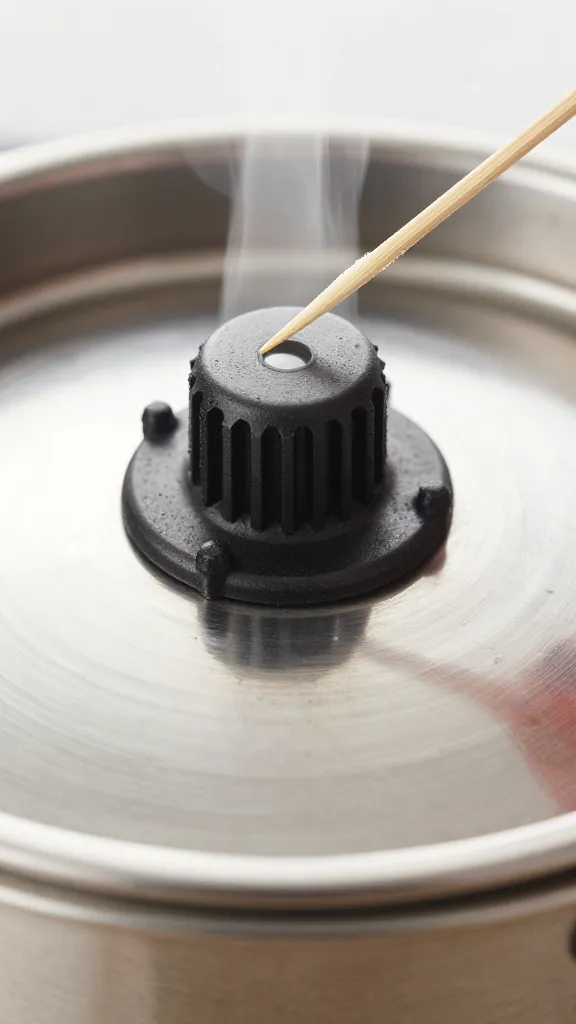
The gasket does the heavy lifting and soaks up smells. Treat it right and it won’t betray you mid-stew.
- Wash after every use. Soap + hot water = happy gasket.
- Deodorize with vinegar or soak in a 1:3 vinegar-water mix for 15 minutes if it smells like last week’s onions.
- Rotate gaskets if you cook sweet and savory. One for cheesecake, one for chili. Your taste buds will thank you.
- Replace yearly (or sooner if stretched, cracked, or loose). Cheap insurance for safe pressure.
Storage Tip
Store the lid upside down on the cooker so air circulates. Trapping moisture invites odors. We’re cleaning, not marinating.
What Didn’t Work For Me
- Don’t submerge the entire cooker base (for electric models). Water and electronics are not friends. I did this and ruined my first instant pot.
- Don’t use metal scouring pads on stainless or nonstick. I also did this and it led to scratches = future sticking and sadness.
- Don’t use bleach on stainless or silicone. It can pit steel and wreck the gasket.
- Don’t reassemble wet parts. Moisture under the gasket can cause funky smells and poor sealing.
Keep-It-Clean Routine (So It Never Gets Gross Again)
Consistency beats crisis mode every time. Here’s a simple rhythm that works, IMO.
- After every cook: Wash the inner pot, lid, and gasket. Quick rinse of the valves.
- Weekly or biweekly: Run the vinegar steam cycle for 2–3 minutes.
- Monthly: Remove and clean the anti-block shield and check the valves for buildup.
- Every 6–12 months: Replace the gasket and check the float valve and sealing ring for wear.
FAQ
Can I put the lid and gasket in the dishwasher?
Usually yes for the gasket and many lids, but check your manual. The dishwasher can shorten gasket life, though. Hand-washing keeps it springy and odor-free longer.
My pot smells like curry no matter what. Help?
Do a 15-minute vinegar soak on the pot and gasket. Then run a 3-minute vinegar steam cycle. If it lingers, store the cooker open and give the gasket a baking soda paste scrub. Worst case, get a second gasket dedicated to bold flavors.
Is it safe to use baking soda on stainless steel?
Yes. It’s mildly abrasive and great for lifting gunk without scratches. Rinse well to avoid a film. Skip it on nonstick coatings.
How do I know if my gasket needs replacing?
If it looks stretched, cracked, or won’t stay snug in the groove, replace it. Also replace if your cooker struggles to reach pressure and you’ve ruled out other issues. They’re inexpensive and crucial for safety.
Can I clean the cooker base (electric models) if I spilled liquid?
Unplug it immediately. Wipe the exterior and the heating plate area with a slightly damp cloth, then dry thoroughly. Never immerse the base. If liquid seeped inside, let it air-dry for 24–48 hours before using.
What if food keeps getting stuck to the bottom?
Deglaze after sautéing, add a splash more liquid, and avoid scraping with metal. A well-cleaned stainless surface plus proper preheating helps. If your pot is nonstick and scratched, consider replacing the inner pot.
Wrap-Up: Clean Cooker, Happy Kitchen
You don’t need a chemistry degree or a free weekend to keep your pressure cooker pristine. Wash the pot and gasket, clean the lid bits, then run a quick vinegar steam. That’s it—three simple steps, big results. Keep up a light routine, and your cooker will keep cranking out miracle meals without the ghost of dinners past tagging along.